Overview
Observed annually on 4th February, World Cancer Day is a global advocacy day aimed at promoting cancer awareness, educating the public about the illness, and encouraging governments and advocacy organisations around the globe to act against it in order to reduce the burden of cancer. Presently, cancer is the second biggest cause of mortality in the world.
As a result of research and innovation in clinical and medical oncology, cancer care and management has advanced from an era of ambiguity to one of accuracy.
The advancement in cancer treatment has extended life expectancy and saved many lives. However, despite, improvements in medical technology and health infrastructure, India’s cancer rate is still rising, necessitating a review, and upgrading of current approaches to the disease’s prevention and management.
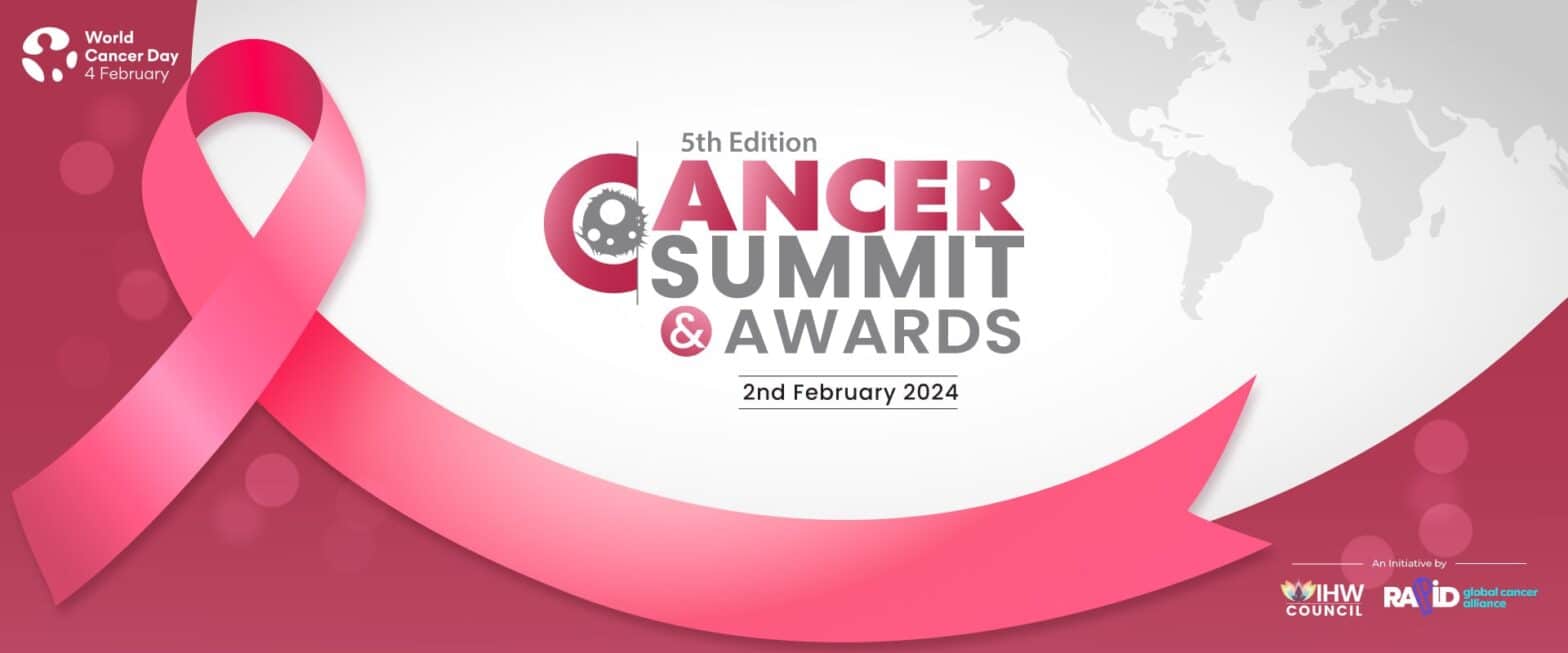
According to the National Cancer Registry Programme’s most recent study, India’s cancer burden might rise from 1.39 million cases in 2020 to 1.57 million cases in 2025. Factors such as late-stage presentation, limited access to appropriate diagnosis and treatment, and cost all contribute to this trend of an increase in the burden of cancer-related morbidity and death in the nation. Further, even when free cancer screening is o ered, high-risk populations continue to have poor acceptance rates. A greater knowledge of patient preferences, early treatment facilitators, societal obstacles, and enablers of cancer care in India is therefore urgently needed in addition to the provision of a ordable and accessible health care facilities. Against this backdrop, RAPID Global Cancer Alliance in collaboration with the Integrated Health and Well-being (IHW) Council are coming together for the 5th Edition of the Cancer Summit 2024, to focus on some of the challenges related to India’s optimum cancer care and to enhance the present healthcare system.
The 5th edition of the Cancer Summit 2024 would bring government representatives, leading medical professionals, lawmakers, social activists, patient advocacy groups, and cancer survivors to provide their perspectives on important topics, innovative solutions, and the various strategies to educate people about cancer and build a favourable environment for cancer control, diagnosis, and management.
RAPID and IHW Council have been relentlessly working as the voice of those a ected by cancer, rallying for change, raising awareness, and pushing for policies that improve cancer care, management and advocate for better policy regulations around the same. The Cancer Summit is a step in the direction which pro-actively engages with all stakeholders for multilevel action to tackle the problem of cancer morbidity and mortality.
Key Discussion Points
Agenda
Opening Session :- Prioritizing Accessible and Affordable Cancer Care in National Healthcare Landscape
This session will shed light on the urgent challenge of disparities in cancer care, emphasizing the need for comprehensive strategies. With a public policy perspective, the discussion aims to inspire transformative action and foster partnerships that pave the way toward a more inclusive and aordable future in the battle against cancer. By prioritizing accessible healthcare for cancer, irrespective of background or resources, the session advocates for a collective commitment to developing and implementing policies that guarantee the best possible care and support for every individual, contributing to a national policy healthcare landscape where inclusivity is at the forefront of cancer management.
Session I :- Understanding the Landscape of Nasopharyngeal Carcinoma (NPC) in India: A Public Health Perspective
Nasopharyngeal carcinoma (NPC) poses a distinctive health challenge, especially in northeast and south India, with a unique demographic and clinical profile. The session will delve into the public health perspective of NPC, exploring its rarity, presentation in advanced stages, and the economic burdens it imposes. The session will also shed light on the intricate interplay of geographic, racial, and cultural factors aecting NPC incidence in dierent regions of India, with a particular focus on the challenges posed by advanced-stage presentations and increased susceptibility to distant metastasis. In the broader context of head and neck cancers being a leading form of cancer in India the session will also explore the key risk factors, including alcohol use, tobacco smoking, and occupational exposure to formaldehyde, contributing to the global burden of disease, paving the way for comprehensive strategies to address its unique challenges and mitigate its impact on healthcare systems and communities.
Session II :- Prioritizing Accessible and Affordable Cancer Care in National Healthcare Landscape
This session aims to drive a comprehensive dialogue on the crucial aspects of creating awareness and providing education in the field of cancer management. Recognizing the profound impact of informed communities on cancer outcomes, the session will explore strategies for raising awareness about early detection, prevention, and the latest advancements in cancer treatment. By fostering an environment of learning and collaboration, this session aims to inspire actionable steps toward building resilient and well-informed communities in the collective fight against cancer.
Session III :- Role of Technology in Revolutionizing Cancer Diagnosis
This session will explore the transformative impact of cutting-edge technology in the field of oncology, emphasizing how technological advancements are reshaping the landscape of cancer care with a focus on diagnostics. Experts in oncology and technology will discuss recent developments in diagnostic tools, including machine learning algorithms that analyse medical imaging data, reconstruction and surgery in cancers of head and neck and innovations in oncology dentistry, genomic information, and clinical records. The session aims to highlight the broader role of technology in cancer diagnostics, with a focus on improving early detection, personalizing treatment plans, and ultimately enhancing patient outcomes.
Session IV :- Genomic Medicine and its Role in Cancer Prevention, Early Detection, Precision Intervention and Monitoring
The session will delve into gene therapy, which holds promising potential as cancer treatment. The discussion would delve into the latest innovations in genomics for early detection, therapy selection and precision intervention and most importantly pre & post cancer monitoring for better treatment opportunities and their potential applications in cancer. It will also discuss about the promises and challenges of precision medicine like immunotherapy while oering nuanced insights on genomic testing and its future for better cancer treatment and monitoring
Session V :- Holistic Management of Liver Cancer in India: Understanding the Risk Factors and Innovative Treatment Approaches
As liver cancer emerges as a leading form of cancer in India, the session will focus on developing strategies to address its unique challenges. This includes mitigating the impact on healthcare systems and communities through early detection, awareness campaigns, and targeted interventions. This session aims to unravel the public health perspective of liver cancer, particularly in the Indian context, emphasizing its prevalence, late-stage presentations, and the economic ramifications it brings. Special attention will be given to the challenges posed by late-stage presentations and the heightened susceptibility to Hepatocellular Carcinoma. By understanding the specific risk factors and challenges associated with liver cancer, the discussion aims to implement tailored public health measures that will contribute to the overall well-being of the population.
Session VI :- Rethinking Insurance Models: Tailoring Coverage for Evolving Cancer Therapist
The session will delve into the imperative of adjusting existing insurance frameworks to eectively address the distinctive challenges and possibilities arising from the advent of emerging and personalized cancer treatment modalities. As cancer treatment undergoes transformative developments, with the rise of precision medicine, immunotherapy, and other advanced therapies, the conventional one-size-fits-all insurance models may prove inadequate. These novel cancer treatments often come with higher costs, intricate administration, and varying response rates among individuals. The session aims to scrutinize these challenges and explore the opportunities for designing insurance models that can seamlessly adapt to the evolving landscape of cancer care.
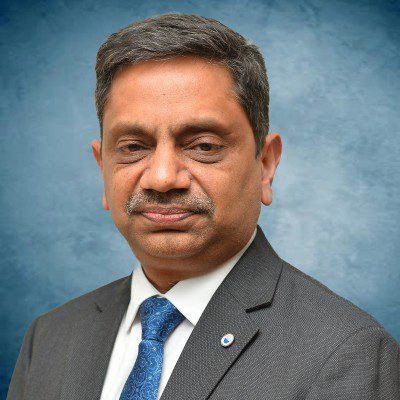
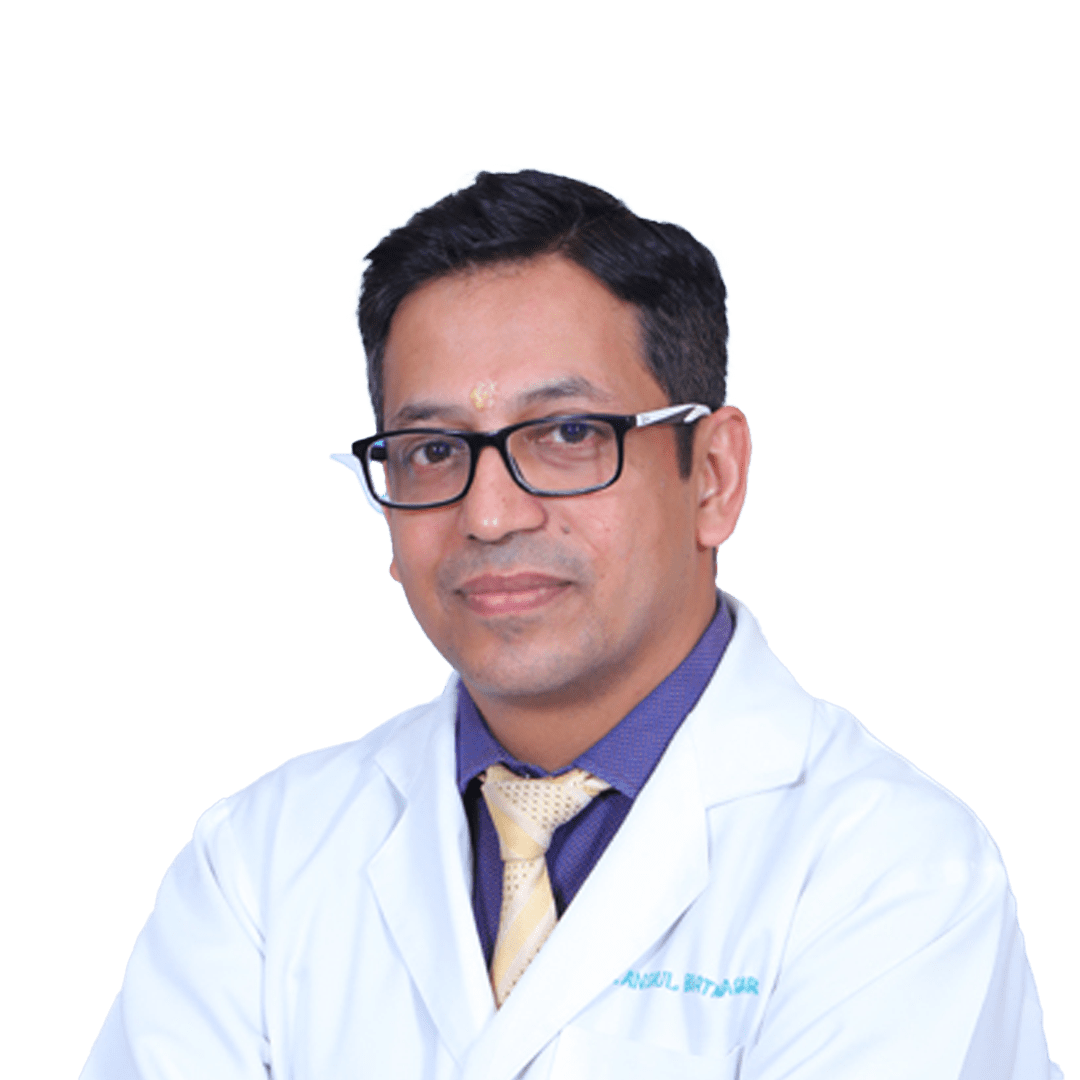
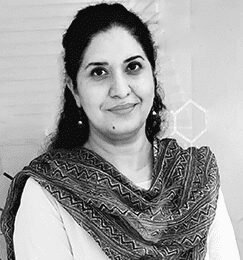
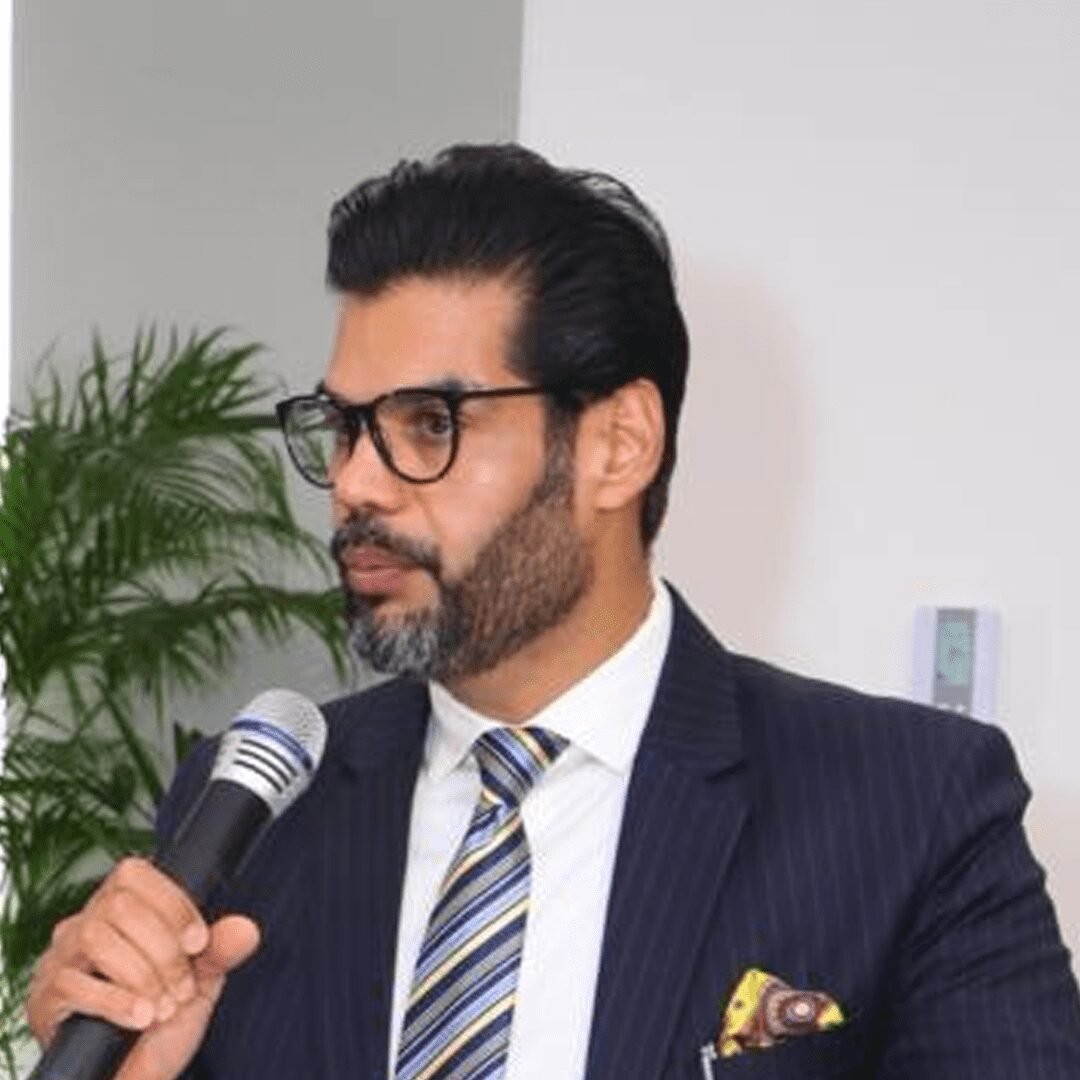
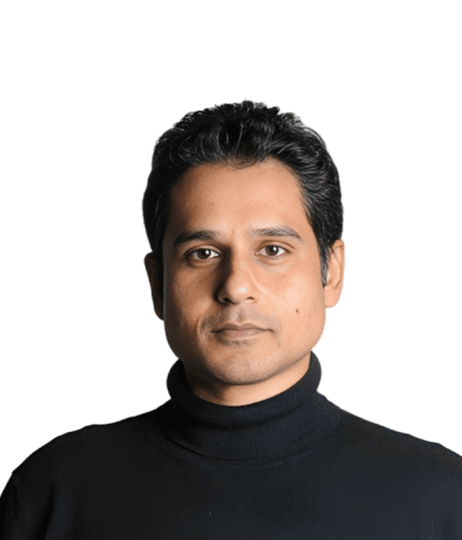
Speakers 2024
Senior Resident, Deptt. of Radiation Oncology
All India Institute of Medical Sciences
Sr. Consultant and Unit Head – Medical Oncology
Rajiv Gandhi Cancer Institute & Research Centre
Chairman - Medical Oncology Medical Oncology, Cancer Care
Max Institute of Cancer Care
Group Vice President- Corporate Affairs & Sustainability
Apollo Hospitals Enterprise Limited
Chairperson and Head of the Department of Medical Oncology
Sir Ganga Ram Hospital
Head of Department, Preventive Oncology
Rajlv Gandhl Cancer Institute & Research Centre
WINNERS 2024

IHW Council’s Cancer Advocacy Initiatives


PARTNERS 2024
Event Highlights
Connect With Us
GET IN TOUCH
IHW Council
Level 3B, DLF Centre, Sansad Marg,
Connaught Place,New Delhi – 110001